Snow Goose Season 2026–27 — Light Geese & Conservation Order
In most states snow geese have two seasons: the regular goose season, and the Light Goose Conservation Order (LGCO) — a separate late-winter and spring period with no daily bag limit, where electronic calls and unplugged guns are generally allowed. Texas no longer holds one.
Regular season: 5–50/day by state
LGCO: No bag limit
E-calls generally legal during LGCO
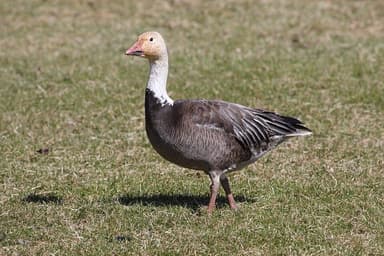
Season 1: Regular Waterfowl Season
- • Runs concurrent with regular duck/goose season
- • Daily bag: 20/day in most states we checked; 50 in OK and SD, 25 in PA, 5 in TX
- • Standard hunting regulations apply
- • Electronic calls NOT allowed while other seasons are open (50 CFR §20.21(g))
- • Plugged shotgun required, 3 shells (50 CFR §20.21(b))
Season 2: Light Goose Conservation Order
- • Dates set by each state — Jan. 24 to May 1, 2027 in the states we checked
- • No daily bag limit
- • No possession limit in the states we checked
- • Electronic calls generally legal
- • Unplugged shotguns generally allowed
- • Shooting hours may extend to ½ hour after sunset (50 CFR §21.180(a))
Why the LGCO Exists
Midcontinent light geese grew dramatically in the late 20th century. In passing the Arctic Tundra Habitat Emergency Conservation Act in 1999, Congress found that the winter index of mid-continent light geese was 800,000 birds in 1969. USFWS's Lincoln estimates of adult Midcontinent lesser snow geese rose from about 2.2 million in 1975–76 to a peak of about 22.5 million in 2013–14. The most recent estimate is about 7.2 million adults (2024), down 15% from 2023, with a 10-year trend of −8% per year.
Congress's 1999 findings tied that growth largely to expanding agriculture and abundant grain on the wintering grounds, and found that the Hudson Bay Lowlands salt-marsh ecosystem in Canada — habitat for light geese and many other bird species — was being "systematically destroyed." The U.S. Fish & Wildlife Service created the Conservation Order by rule on Feb. 16, 1999, and Congress gave that rule the force of law in the Arctic Tundra Habitat Emergency Conservation Act later that year. It is now codified at 50 CFR §21.180.
Sources: Public Law 106-108, Arctic Tundra Habitat Emergency Conservation Act (Nov. 24, 1999), §§2–3; U.S. Fish & Wildlife Service, Waterfowl Population Status, 2026, Table 15 and Table C.2; 50 CFR §21.180.
Light Goose Seasons by State 2026–27
The 13 states we checked against published 2026–27 regulations. Conservation Order dates are set by each state; "not yet published" means the state had not announced spring 2027 dates when we checked. Confirm with your state wildlife agency before hunting.
| State | Regular Season Bag | LGCO Opens | LGCO Closes |
|---|---|---|---|
| Arkansas | 20/day (no poss. limit) | Feb 1, 2027 (split) | Apr 25, 2027 |
| Missouri | 20/day (no poss. limit) | Feb 7, 2027 | Apr 30, 2027 |
| Louisiana | 20/day (no poss. limit) | Dec 7, 2026 (split) | Mar 7, 2027 |
| Mississippi | 20/day (no poss. limit) | Feb 1, 2027 (split) | Mar 31, 2027 |
| Tennessee | 20/day | Feb 15, 2027 | Mar 31, 2027 |
| Kentucky | 20/day (60 poss.) | Feb 16, 2027 | Mar 31, 2027 |
| Illinois | 20/day (no poss. limit) | Jan 27, 2027 (North Zone) | Apr 30, 2027 |
| Iowa | 20/day | Jan 24, 2027 | May 1, 2027 |
| Minnesota | 20/day | Feb–Apr 2027 (dates not yet published) | — |
| South Dakota | 50/day (no poss. limit) | Not yet published | — |
| Oklahoma | 50/day (no poss. limit) | Feb 15, 2027 | Mar 30, 2027 |
| Texas | 5/day (Eastern Zone) | No conservation order (ended 2024) | — |
| Pennsylvania | 25/day (no poss. limit) | Not yet set | — |
"Split" means the Conservation Order has more than one window between the first opening and the final close. During the Conservation Order there is no federal daily bag limit, and the states we checked set no possession limit. Always confirm exact dates with your state wildlife agency before hunting.
LGCO Hunting Tips
- • Scale up your spread: Serious LGCO spreads often run to hundreds or thousands of decoys. Quantity matters more than realism.
- • Motion decoys essential: Rotary-wing or full-body motion decoys dramatically improve effectiveness.
- • Electronic calls are your biggest advantage: Use a quality caller with realistic snow goose sounds — cackling, feeding calls, and assembly calls.
- • White outerwear required: Snow geese are wary — white smocks, Tyvek suits, or white camo are essential for concealment.
- • Layout blinds work well: Lay-flat shell decoys with layout blinds are effective in harvested field hunting.
Snow Goose Hunting — Frequently Asked Questions
Track your snow goose season with BlindBook
Log Conservation Order hunts, track your harvest, and record season totals across the flyway.
Limits and dates on this page were checked 2026-10-16 against 50 CFR §§20.21 and 21.180, Public Law 106-108, the USFWS Waterfowl Population Status, 2026, and 2026–27 regulations published by state wildlife agencies: AGFC Waterfowl Season Dates, Rules & Regulations; Missouri Migratory Bird and Waterfowl Hunting Digest 2026–2027; Louisiana 2026-2027 Hunting & WMA Regulations (p. 33); MDWFP 2026–2027 Hunting Seasons; TWRA Migratory Birds; KDFWR Regulations Summary, Sept. 2026–Mar. 2027; Illinois Digest of Hunting & Trapping Regulations 2026-2027 (p. 28); 2026-27 Iowa Hunting, Trapping & Migratory Game Bird Regulations; 2026 Minnesota Hunting & Trapping Regulations (p. 49); South Dakota Hunting & Trapping Handbook 2026 (p. 34); ODWC September Teal, Geese & Sandhill Cranes; TPWD Outdoor Annual, Goose 2026-2027 and TPWD news release, Apr. 16, 2024; and Pennsylvania Game Commission, 2026-27 Migratory Game Bird Season Set. Always confirm with official state agency regulations before hunting.
For waterfowl population trends, harvest analysis, and conservation research, see WaterfowlAI Insights.